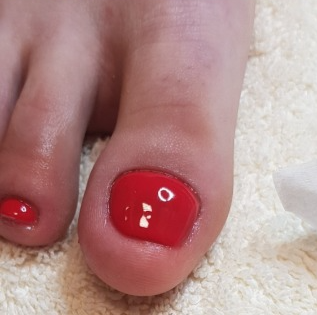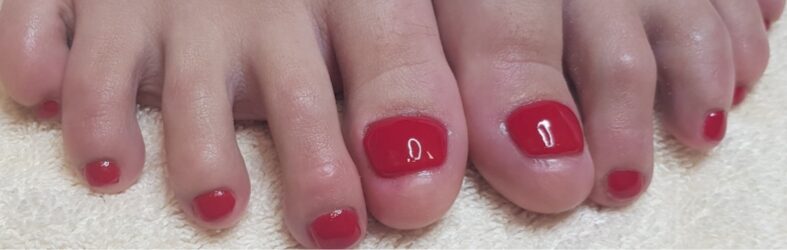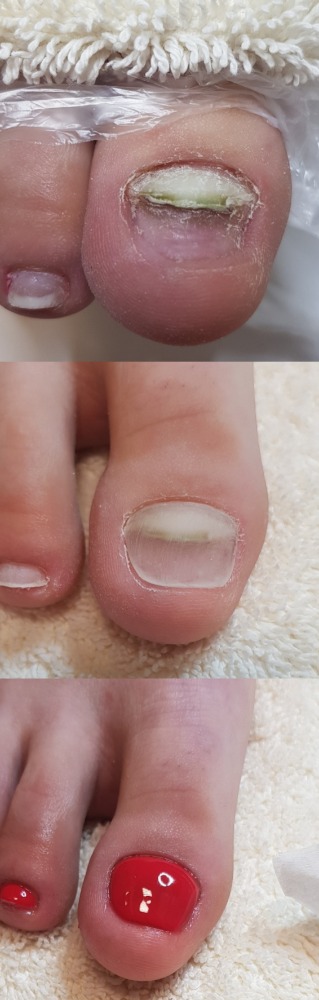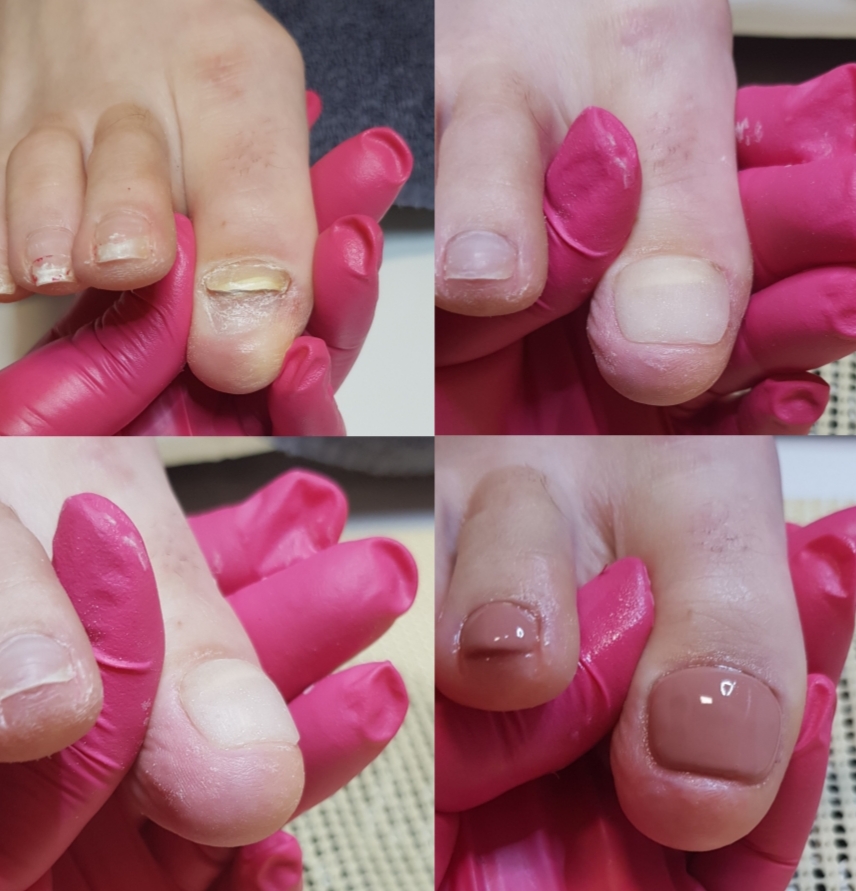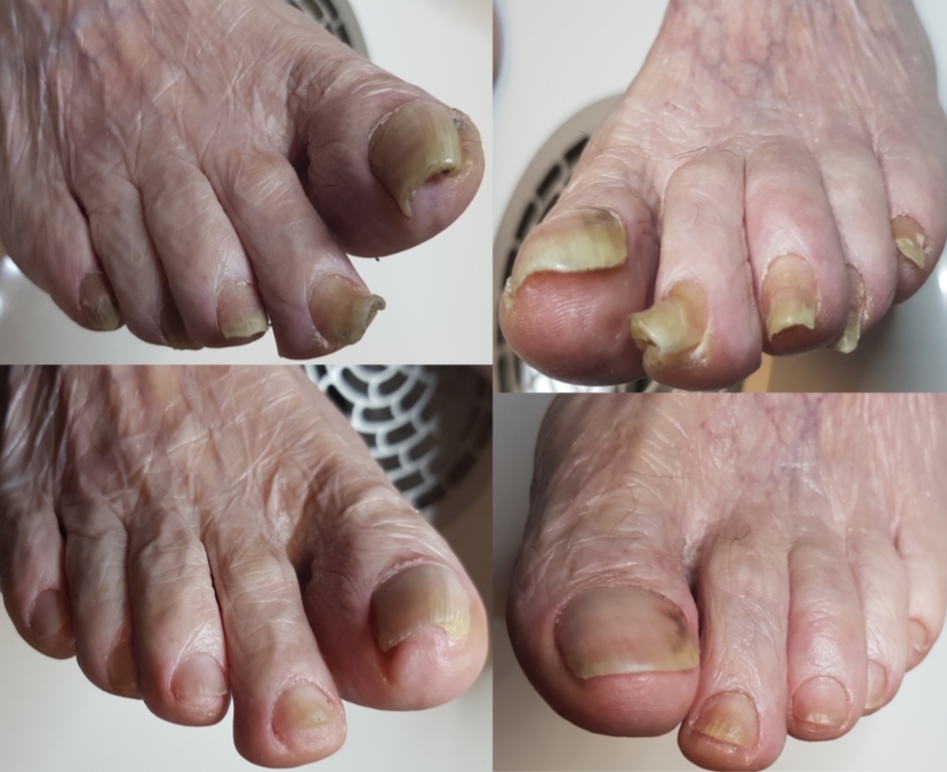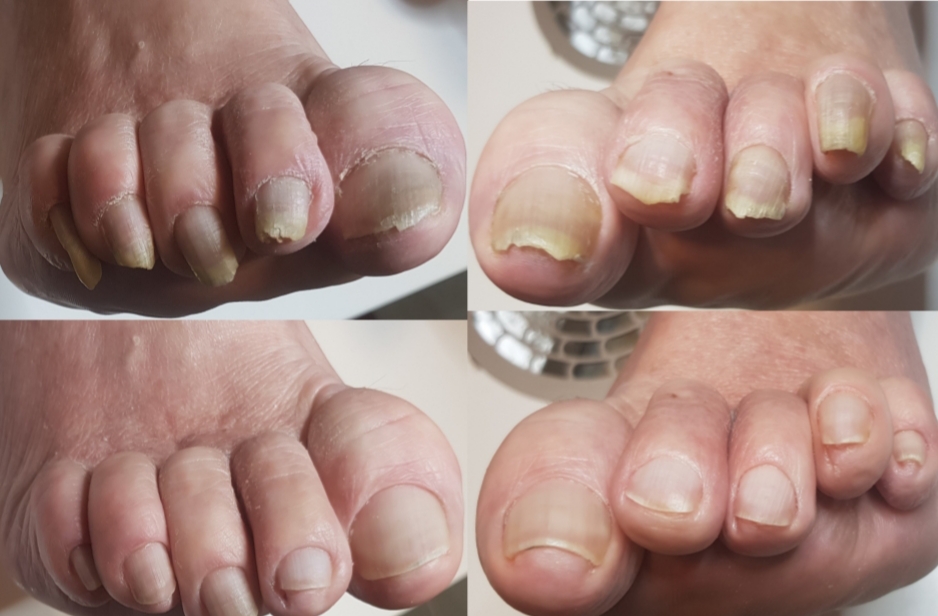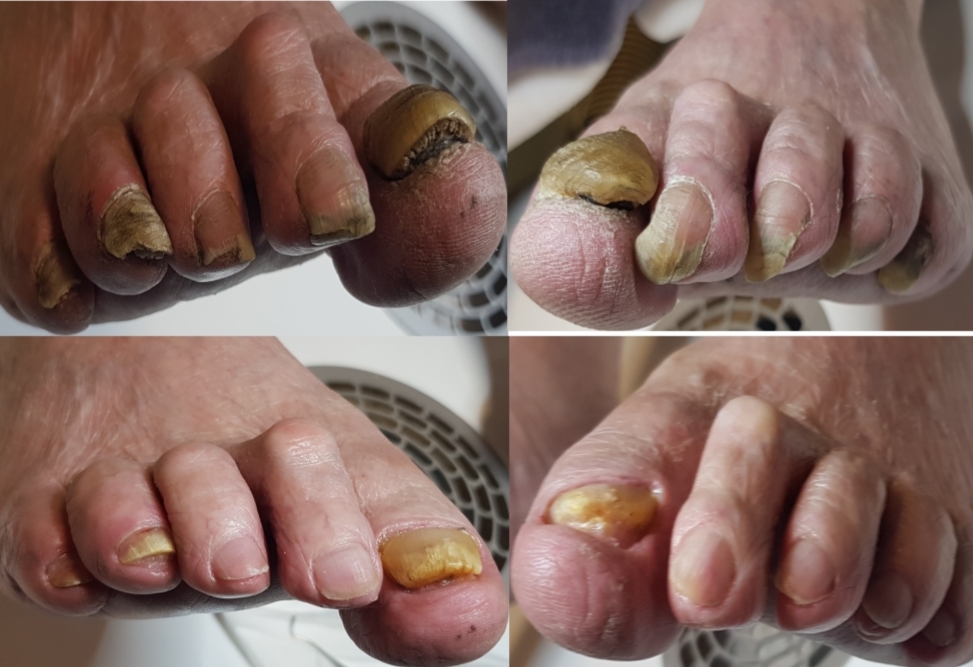
Přichází-li klient se zarůstajícími nehty, je potřeba v prvé řadě rozlišit, jestli je problém v zarůstajícím nehtu, nebo je naopak nehet v pořádku a potíže způsobují přerůstající valy.
V prvním případě situace řešení má i bez zásahu lékaře, v druhém se klient bohužel bez plastiky valů výsledku nedočká.
Je-li problém skutečně v zarůstajícím nehtu jsou k řešení opět 2 cesty. Jednodušší řešení má situace, kdy nehet zarůstá z důvodu jednorázového, či opakovaného chybného zastřižení, často do výrazného obloučku, kdy klient po prvních potížích často pokračuje opakovaným vystříháváním nehtu hluboko do valu, často i přes bolest a krev.
V těchto případech se okraj nehtu podkládá tamponádou a na nehet se lepí nehtová špona podofix (která se v pravidelných intervalech mění), která jemně táhne a nadzvedává okraje nehtu. Toto dvojité působení, jemného tahu zhora nehtu a vypodložení zespoda nehet jednak přirovná, je li to vůbec potřeba, ale především mu pomůže dorůst do plné délky a překonat kritická místa, kde se dříve zapichoval. Tento proces trvá dokud nehet zcela nedoroste a celá jeho plocha není pod kontrolou. Obvykle se jedná o nižší jednotky měsíců, v závislosti na tom, jak hluboko klient nehet vystřihoval. V tomto případě bývá řešení trvalé.
Náročnější je řešení případu, kdy nehet je sice zkracován správně, ale zarůstá z důvodu nadměrného zakřivení.
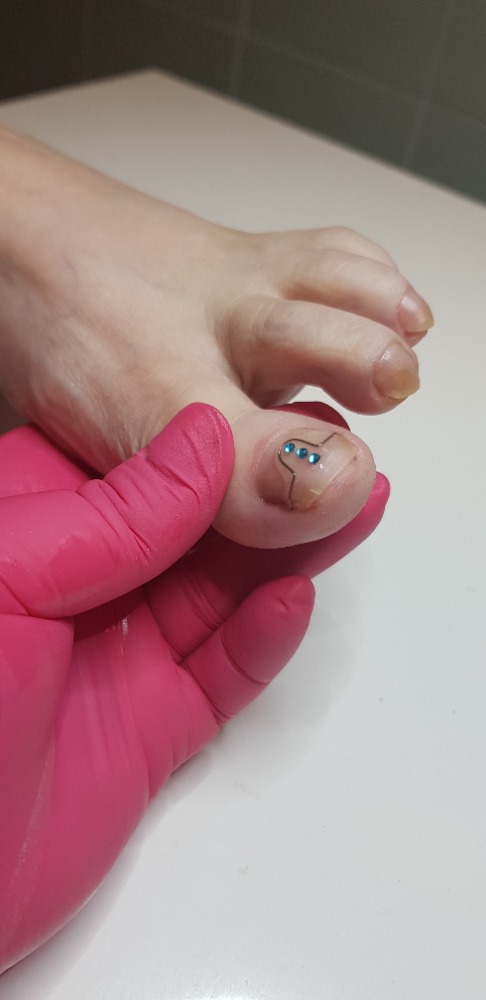
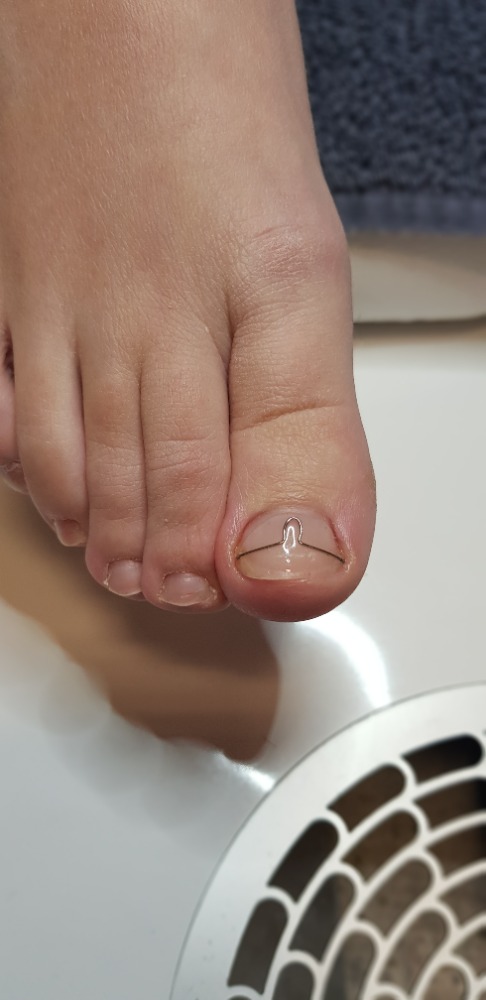
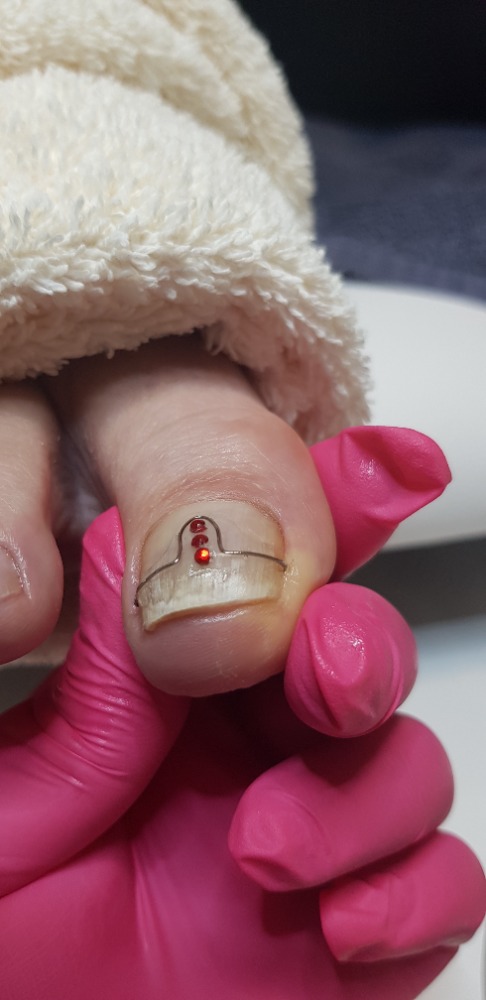
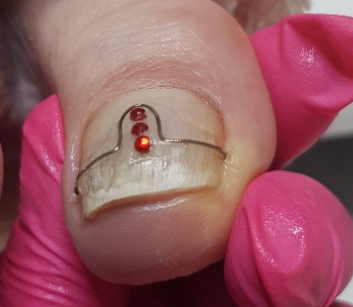
V tomto případě se nasazuje kovové na míru vyráběné rovnátko Ross – Fraser. Jedná se o speciálně tvarovaný drátek, který opět mírně táhne kraje nehtu směrem nahoru a v intervalu cca 5ti týdnů se utahuje. Délka tohoto procesu bývá obvykle rok, nejsou ale vzácné ani případy, kdy rovnání trvá déle. Vše závisí na poddajnosti nehtu, míře zakřivení, věku a příčně.
Tento typ zarůstání, kdy se nehet stáčí často až do ruličky vzniká z několika důvodů. Nejčastějším zdrojem potíží bývá výrazná nadváha, nevhodná obuv, poúrazové a mykotické stavy a věk.
Od hlavní příčiny, případně jejich kombinací se také odvíjí úspěšnost procesu. NEHTY SE NEKROUTÍ BEZ DŮVODU, BEZ ODSTRANĚNÍ PŘÍČINY NELZE ZARŮSTÁNÍ TRVALE VYŘEŠIT. Některé příčiny bohužel zcela odstranit nelze a proto nejčastějším případem jsou situace, kdy se klient po prvním plném narovnání nehtu dle potřeby v různých intervalech vrací na krátké přirovnání. I přesto ale vidím tuto cestu jako lepší řešení, v porovnání s bolestivou a rizikovou variantou stržení části, nebo celého nehtu. Kde pominu-li
bolest, pracovní neschopnost a riziko infekce hraje nemalou roli i riziko poškození kořene nehtu a jeho trvalé deformace.
En:
When a client presents with ingrown toenails, it is essential first to determine whether the problem is caused by the nail itself or whether the nail is actually healthy and the discomfort is caused by overgrown nail folds.
In the first case, the issue can often be resolved without medical intervention. In the second case, however, a satisfactory result cannot be achieved without surgical correction of the nail folds.
If the problem truly lies in an ingrown nail, there are two possible approaches.
The simpler situation occurs when the nail becomes ingrown due to improper trimming, either as a one-time mistake or repeatedly. This often involves cutting the nail into a pronounced curve. After the first signs of discomfort, clients frequently continue trimming the nail deeply into the nail fold, often despite pain and bleeding.
In these cases, the nail edge is supported with tamponade, and a Podofix nail brace is applied and regularly replaced. The brace gently pulls and lifts the nail edges. This dual action—gentle upward tension from above and support from underneath—helps to straighten the nail if necessary, but most importantly allows it to grow to its full length and safely pass the critical areas where it previously penetrated the nail fold.
This process continues until the nail has fully regrown and its entire surface is under control. Typically, this takes several months, depending on how deeply the client previously trimmed the nail. In such cases, the solution is usually permanent.
More complex cases involve nails that are trimmed correctly but become ingrown due to excessive curvature.
In these situations, a custom-made Ross–Fraser metal brace is applied. This is a specially shaped wire that gently pulls the edges of the nail upward and is tightened approximately every five weeks. The overall treatment duration is usually around one year, although longer treatment periods are not uncommon. The outcome depends on the flexibility of the nail, the degree of curvature, the client’s age, and transverse nail tension.
This type of ingrown nail, where the nail often curls into a tube-like shape, develops for several reasons. The most common contributing factors include significant excess weight, unsuitable footwear, post-traumatic and fungal conditions, and age.
The success of the treatment depends on the underlying cause or a combination of causes. Nails do not curve without a reason. Without addressing the underlying cause, ingrown nails cannot be permanently resolved.
Unfortunately, some causes cannot be completely eliminated. Therefore, the most common scenario is that after the nail has been fully corrected, the client returns for short maintenance corrections as needed at varying intervals.
Even so, I consider this approach to be a better solution compared to the painful and risky option of partial or complete nail removal. Aside from pain, work incapacity, and the risk of infection, there is also a significant risk of damage to the nail matrix, which can lead to permanent nail deformation.